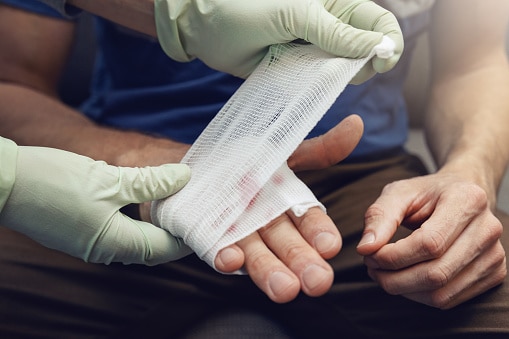
Registered nurses play an essential role in supporting NDIS participants with complex healthcare needs. Under the NDIS, some people may require more specialised care due to chronic illness, disability-related health conditions, or recovery from injury or surgery. This is where registered nurses step in.
At Best Care Services, our team of NDIS-trained registered nurses deliver clinical care that’s safe, respectful, and tailored to the unique needs of each participant. This article explains what NDIS registered nurses do, who may be eligible, and how nursing services fit into broader NDIS supports like High Intensity Daily Personal Activities and Module 1 training.
Table of Contents
Table of Contents
ToggleWhat Does an NDIS Registered Nurse Do?
Registered nurses (RNs) provide clinical care that goes beyond the scope of a support worker or personal care assistant. Their training allows them to perform complex medical tasks, manage ongoing health conditions, and liaise with medical professionals to ensure a participant’s care plan is being followed.
Here are just some of the services an NDIS registered nurse may provide:
- Wound management (including pressure injuries and chronic wounds)
- Medication administration, including injections and Schedule 8 drugs
- Enteral feeding via PEG or nasogastric tube
- Catheter and stoma care
- Tracheostomy and ventilator support
- Diabetes management, including insulin administration and blood glucose monitoring
- Complex bowel care
- Seizure management and midazolam administration
- Clinical assessments and documentation
- Health education and training for carers, families, and support workers
All of these tasks require a trained nurse under NDIS regulations to ensure safety, compliance, and appropriate care delivery.
Who Needs a Registered Nurse Under the NDIS?
NDIS participants who require High Intensity Supports often need a registered nurse involved in their day-to-day or scheduled care.
These participants may have:
- Complex physical disabilities
- Neurological conditions such as epilepsy or cerebral palsy
- Diabetes with insulin dependency
- PEG feeding requirements
- Respiratory care needs (e.g. tracheostomy, suctioning)
- Chronic wounds or pressure injuries
- Continence issues requiring catheter or stoma care
If a participant requires ongoing clinical oversight or frequent medical interventions, an RN will often work in collaboration with a support worker or family carer, ensuring proper care is delivered.
Learn more about how we support these needs on our NDIS High Intensity Support page.
How NDIS Funding Supports Nursing Services
Funding for registered nursing support usually falls under Core Supports or Capacity Building Supports, depending on the nature of the service.
- Core Supports – Assistance with Daily Life: This category may include nursing care if it’s required for day-to-day living. For example, wound dressing or medication administration that must happen at home.
- Capacity Building – Improved Daily Living: If the focus is on improving health knowledge, skills, or independence (such as health training or building capacity to self-manage), funding may fall here.
Your NDIS Support Coordinator or Plan Manager can help identify which funding category applies to your needs. Nursing supports must be reasonable and necessary, and clearly linked to your disability support needs.
Nursing Services and NDIS Module 1 Requirements
When a participant’s care needs fall under High Intensity Daily Personal Activities, the NDIS requires providers to meet strict standards. Module 1 training ensures support workers are equipped with the necessary skills and knowledge to deliver high-risk support tasks safely.
This is where registered nurses also play a critical role. Not only do they provide direct care, but they may also oversee:
- Delegation and supervision of certain tasks to trained support workers
- Development of care plans for high intensity supports
- Training and competency assessments for staff
- Clinical oversight and documentation
At Best Care Services, our nurses work closely with high intensity support workers who have completed NDIS Module 1 High Intensity Training to ensure seamless, safe, and person-centred care.
Training, Registration and Qualifications
To work under the NDIS, a registered nurse must be:
- Registered with the Australian Health Practitioner Regulation Agency (AHPRA)
- Qualified with a Bachelor of Nursing or equivalent
- Up to date with CPD (Continuing Professional Development)
- Trained in NDIS Code of Conduct and NDIS Worker Orientation Module
- Experienced in disability, community, or home-based care settings
Best Care Services’ support worker team are trained registered nurses who meet these standards and are experienced in both clinical and community-based settings.
The Benefits of RN-Led Disability Support
Having a registered nurse involved in your support can make a world of difference. Here’s how:
- Reduced hospital visits through better management of chronic conditions
- Better coordination of care between GPs, allied health, and support workers
- Improved safety with high-risk tasks handled correctly
- Support for families with education and reassurance
- More choice and control for participants to receive complex care at home, not in clinical environments
Nurses also advocate for participants and help build long-term strategies to improve health outcomes.
How Best Care Services Can Help
If you or someone you care for is an NDIS participant with clinical care needs, Best Care Services can help.
We offer:
- In-home visits from a support team certified in Module 1 and trained by qualified registered nurses
- Support coordination to link you with appropriate services
- High intensity supports delivered in accordance with NDIS Practice Standards
- Competency-based staff training aligned with Module 1
- A compassionate, person-centred approach
Whether you need short-term nursing care post-surgery, or long-term support for complex needs, our team can build a tailored plan that aligns with your NDIS goals.
Let’s Talk About Your Needs
Navigating the NDIS can be overwhelming, especially when clinical needs are involved. But you don’t have to figure it out alone.
At Best Care Services, we’re here to walk with you — to make sure your nursing supports are not only compliant and safe, but also respectful and meaningful.
Contact us today to find out how we can support your nursing needs under the NDIS.