NDIS High Intensity Disability Support Workers in Sydney
Safe, respectful, and clinically-informed support for people with high intensity needs.
At Best Care Services, our disability support workers are trained by clinical nurses to deliver high intensity supports under the NDIS. From PEG feeding to tracheostomy care, bowel care, catheter support, and more. Our team is assessed for competence and ready to meet the real risks and responsibilities of this essential care.
We provide in-home high intensity support across Western Sydney, including Bankstown, Blacktown, Camden, Campbelltown, Fairfield, Greystanes, Kellyville, Liverpool, Macarthur, Merrylands, Parramatta, Richmond, and surrounding areas.

Our Support Workers Are Trained & Qualified in High Intensity Care
What is High Intensity Support?
High intensity supports involve daily personal care tasks that require greater skill and training due to the risks involved. These supports are funded under the NDIS when a participant has complex health needs requiring support workers trained to manage risk.
The NDIS defines several types of high intensity supports, including:
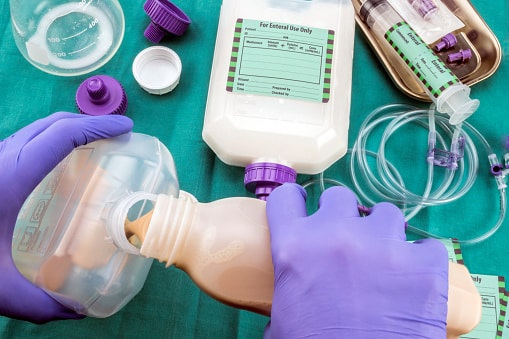
Enteral feeding and PEG tube support
Tracheostomy care
Urinary catheter support
Subcutaneous injections
Complex bowel care
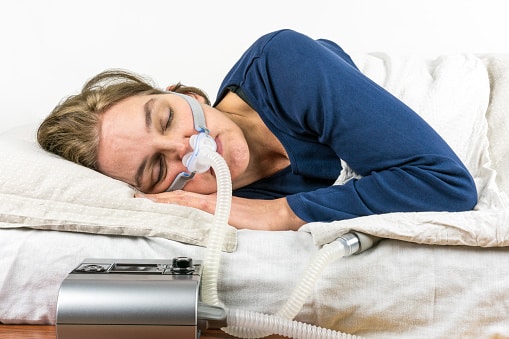
Ventilator support
Severe dysphagia and mealtime management
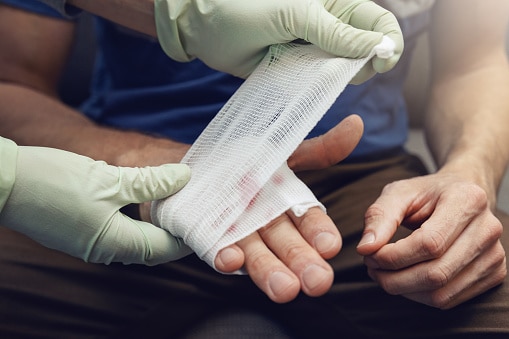
Wound care involving pressure injury prevention or dressing changes

Helping Prevent Deterioration Starts With What We Notice
Our support workers don’t just follow plans — they observe, report, and act on subtle changes that may signal risk. A slight increase in swelling, a change in odour, or a participant who suddenly avoids being touched — these small signs can mean the difference between early intervention and preventable escalation.
That’s why our team is trained to think critically, communicate clearly with clinicians, and document everything in line with NDIS expectations. It’s not just about following instructions — it’s about making informed observations that help keep participants safe and reduce avoidable hospital visits.
Trained and Assessed by Registered Nurses
Every Best Care Services support worker who delivers high intensity care is:
Trained by experienced Registered Nurses
Assessed for competence in accordance with Module 1 Practice Standards
Regularly reviewed to ensure quality and safety
Provided practical training using real-life equipment and clinical tools
We don’t just meet the minimum — we exceed it. Our focus is not just on clinical safety, but also on empathy, respect and understanding.
Why Best Care SERVICES?
How We Ensure Safe, Compliant High Intensity Care
Training tailored to the participant’s needs
Every worker is trained and assessed based on the exact support the participant requires.Workplace observations
Training is not just theory. Our trainers observe workers performing the support in real-time.Documentation and reporting
All care activities are documented and reported accurately, supporting NDIS audit requirements.Quality assurance
Our internal team of nurses and quality leads review care plans, incident reports, and ongoing worker competence.
Get In Touch With Us Today
Reach out to learn how we can support you or your loved one.
Frequently Asked Questions
Our support workers deliver a wide range of high intensity supports, including PEG feeding, catheter and bowel care, stoma management, tracheostomy care, complex wound support, subcutaneous injections (e.g. insulin), and seizure response. Each service is matched to the participant’s clinical needs and daily living goals.
We take the time to understand each participant’s support requirements, preferences, and medical conditions before assigning a worker. We match based on experience, skill level, personality, and availability to ensure consistent, confident care that builds trust and continuity.
High intensity care involves higher clinical risk. Tasks like managing enteral feeding tubes, wound care, or tracheostomy suctioning require precision, confidence, and deeper knowledge of health protocols. Unlike general care, these supports must follow strict clinical procedures — and that’s what our team is trained and experienced to do.
Yes. Support workers trained in subcutaneous injections (such as insulin) can administer them as part of a structured medication plan. They follow correct dosing, hygiene, and documentation protocols, always working in line with the participant’s care plan and any health professional guidance.
It depends on the participant’s needs. A shift could include PEG feeding at set times, wound dressing changes, mobility assistance, bowel or catheter care, and close health monitoring. Workers also support with personal care, meals, and social participation — all while ensuring clinical tasks are performed safely and on schedule.
Support workers are trained to identify warning signs, follow escalation protocols, and contact emergency services if needed. While they don’t make clinical decisions, they play a critical frontline role in observing changes and responding immediately to keep the participant safe.
We train our team in respectful, person-centred care. Whether assisting with bowel care, dressing wounds, or providing intimate support, our workers maintain professionalism, protect privacy, and always prioritise the comfort and dignity of the participant.
We offer both. Some participants need long-term high intensity support as part of their daily routine, while others may need short-term care following surgery or a health event. We adapt to what you need and can scale support up or down as situations change.
We maintain open communication with families and carers. Support workers document tasks, changes, and incidents after each shift. We can also schedule regular updates with case managers or family members to ensure everyone is informed and aligned.
All workers undergo formal training and competency assessments aligned with NDIS Module 1 standards. This ensures every support worker understands risk protocols, personal care procedures, infection control, and participant rights. It’s not just a tick-box exercise — it’s a foundation for safe, ethical care.
Our High Intensity Supports

Epilepsy and Seizure Support
Epilepsy and Seizure Support

Complex Bowel Care
Complex Bowel Care
Enteral Feeding
Enteral Feeding

Severe Dysphagia Care
Severe Dysphagia Care

Tracheostomy Care
Tracheostomy Care
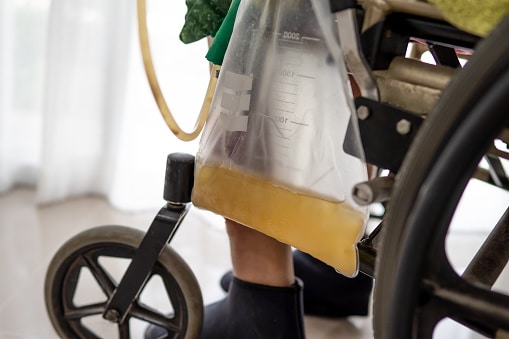
Urinary Catheter Care
Urinary Catheter Care
Ventilator Management
Ventilator Management

Subcutaneous Management
Subcutaneous Management