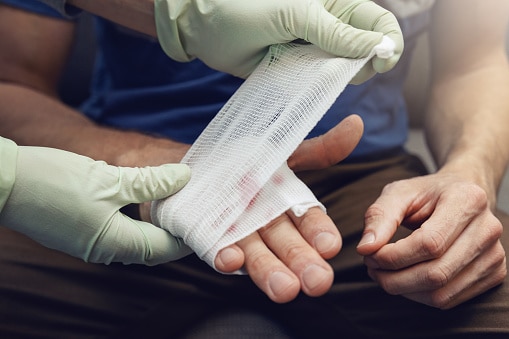
Complex wounds are a significant healthcare concern that require specialized care and management. These wounds, which do not heal easily or quickly, often result from underlying conditions such as diabetes, circulatory issues, or pressure injuries. Proper care and management are essential to prevent complications like infections and promote optimal healing.
This guide will explain Complex Wound Management and Complex Wound Care Support, how it benefits individuals who need it, and the critical role that professional care plays. We will also highlight who is qualified to deliver this care and how Best Care Services can assist with Complex Wound Management and Care in Western Sydney.
Table of Contents
ToggleWhat is Complex Wound Management?
Complex wound management refers to the clinical process of assessing, treating, and managing wounds that are difficult to heal. These types of wounds can include:
- Chronic wounds: Wounds that have been present for extended periods, often due to conditions like diabetes or poor circulation.
- Pressure ulcers (bedsores): Common in individuals who are bedridden or immobile for long periods.
- Diabetic foot ulcers: Common among people with diabetes due to poor circulation and nerve damage.
- Surgical wounds: Wounds that fail to heal properly after surgery, often due to infection or poor healing conditions.
- Traumatic wounds: Wounds caused by accidents, burns, or other injuries that don’t heal as expected.
Effective wound care includes not just cleaning and dressing the wound but also identifying and addressing the underlying causes to promote faster and more effective healing.
Who Should Provide Complex Wound Care Support?
Given the delicate nature of complex wound management, only qualified professionals should provide this support. In the NDIS (National Disability Insurance Scheme) framework, two types of healthcare providers are authorized to deliver complex wound care:
1. NDIS Registered Nurses
NDIS Registered Nurses are specialized healthcare professionals trained in managing complex health needs, including complex wound care. These nurses are skilled in:
- Assessment of the wound’s severity and underlying causes.
- Choosing the right wound dressings and techniques to promote healing.
- Cleaning and dressing wounds in a sterile and effective manner.
- Monitoring the wound for signs of infection, deterioration, or complications.
- Educating patients and their caregivers about how to care for the wound at home, including proper hygiene and lifestyle changes that may aid in healing.
NDIS Registered Nurses have the expertise to manage even the most difficult wounds and ensure that healing occurs as quickly and effectively as possible.
2. Support Workers Trained in Module 1 High Intensity
Support workers who have completed Module 1 High Intensity Training, provided by a registered nurse team, are also qualified to assist in complex wound care. This training ensures that they understand the specifics of managing high-intensity care needs, such as complex wounds. Trained support workers can:
- Assist in basic wound cleaning and dressing.
- Help monitor wound progress and detect early signs of infection or complications.
- Support the patient by following care instructions from an NDIS Registered Nurse.
This training equips high intensity support workers with the knowledge to help patients manage their wounds effectively under the guidance of a nurse, ensuring that care remains safe and efficient.
It is important to remember that only NDIS Registered Nurses or trained support workers with Module 1 High Intensity Training should provide complex wound care to ensure the best outcomes for the patient.
Key Components of Complex Wound Management
Complex wound care involves a multi-step approach that includes cleaning, monitoring, dressing, and sometimes additional interventions to promote healing. Here are the key components of effective complex wound management:
1. Wound Assessment
The first step in managing a complex wound is to thoroughly assess the wound and identify its cause. This can involve:
- Visual inspection to evaluate the size, depth, and location of the wound.
- Understanding the underlying condition: Whether it’s due to diabetes, poor circulation, or pressure injuries, addressing the root cause is crucial for effective treatment.
- Determining the wound’s stage: Some wounds may be in a more acute phase, while others may be in a chronic stage of healing.
Assessment also involves identifying any complications, such as infection or tissue death (necrosis), which may require special treatment.
2. Cleaning and Debridement
Proper cleaning is essential to remove dirt, debris, or dead tissue (necrotic tissue) that can hinder the healing process. Debridement is the process of removing dead tissue, which can help stimulate healing and allow healthy tissue to grow. Depending on the type of wound, cleaning may involve:
- Sterile saline or antiseptic solutions to clean the wound.
- Debridement tools to remove necrotic tissue without damaging healthy skin.
This step is critical in preventing infection and ensuring that the wound heals properly.
3. Dressing and Bandaging
Choosing the right dressing for the wound is key to promoting healing. Different types of dressings provide various benefits, such as:
- Absorbing exudate (drainage) from the wound to keep it clean and dry.
- Providing a barrier against bacteria and other external contaminants.
- Creating a moist wound environment to help the healing process.
NDIS Registered Nurses and trained support workers can assess which type of dressing is best suited for each individual wound.
4. Monitoring for Infection
One of the biggest risks with complex wounds is infection. Monitoring the wound site regularly is essential for early detection of infection. Signs of infection may include:
- Increased redness or swelling around the wound.
- Discharge that is yellow, green, or foul-smelling.
- Increased pain or tenderness around the wound.
Early detection of infection is critical to avoid serious complications. In cases of infection, antibiotics or other medical treatments may be necessary.
5. Pain Management
Many individuals with complex wounds experience pain, which can slow the healing process and negatively affect their quality of life. Effective pain management strategies may include:
- Topical treatments: Special creams or ointments that can help reduce pain.
- Medications: Over-the-counter or prescribed pain relief.
- Positioning: Adjusting the patient’s position to alleviate pressure on the wound site.
Pain management should be discussed with a healthcare professional to ensure it’s safe and effective for the patient’s needs.
6. Education and Lifestyle Support
Patients and caregivers must be educated on how to care for the wound between professional visits. This includes:
- Proper hygiene to avoid infection.
- Dietary changes that may help with wound healing (e.g., increasing protein intake or managing blood sugar levels in diabetic patients).
- Lifestyle adjustments, such as using pressure-relieving cushions for bedsores or avoiding smoking, which can impair circulation and healing.
At Best Care Services, we provide education and guidance to both the patient and their caregivers, ensuring they are well-equipped to support the wound healing process.
Why Choose Best Care Services for Complex Wound Management in Western Sydney?
Best Care Services offers expert Complex Wound Management and Care in Western Sydney. Here’s why we are the trusted choice:
- Experienced and Trained Team: Our team consists of NDIS Registered Nurses and support workers who are trained in Module 1 High Intensity for complex care needs.
- Personalized Care Plans: We tailor our care plans to meet the unique needs of each individual, ensuring optimal wound healing and comfort.
- Comprehensive Education: We provide training and support to patients and caregivers to ensure they can manage the wound effectively at home.
- Local Focus: We are dedicated to providing high-quality wound care specifically for residents in Western Sydney, ensuring prompt and reliable care.
Get the Support You Need Today
If you or your loved one needs Complex Wound Management and Care in Western Sydney, Best Care Services is here to help. Our team of experts is ready to provide the personalized, compassionate care you deserve.
We also offer NDIS Module 1 High Intensity Training across Sydney to support workers who wish to improve their skills in managing complex care needs, including complex wound care. Visit our NDIS Module 1 Training page for more information.
Contact us today to learn how we can assist with complex wound management and ensure a healthier, more comfortable life for you or your loved one.