NDIS Ventilator Support in Western Sydney
High-intensity respiratory support for people who use invasive or non-invasive ventilation
Skilled workers. Clinical supervision. 24/7 vigilance.
At Best Care Services, we provide safe, trained ventilator support for NDIS participants using tracheostomy or non-invasive breathing assistance. Our Ventilator Support services are available across Western Sydney, including Bankstown, Blacktown, Camden, Campbelltown, Fairfield, Greystanes, Kellyville, Liverpool, Macarthur, Merrylands, Parramatta, Richmond, and surrounding suburbs.

Supporting safe, continuous breathing — in the comfort of your home
NDIS Ventilation Support
People who rely on mechanical ventilation often have complex health needs that require trained, consistent support. Whether the participant uses an invasive ventilator via a tracheostomy, or a non-invasive device like CPAP or BiPAP, this support goes beyond routine care — it is high intensity and must be delivered by trained support workers following a written health plan.
At Best Care Services, we support NDIS participants who:
- Use invasive ventilation (e.g. tracheostomy and mechanical ventilator)
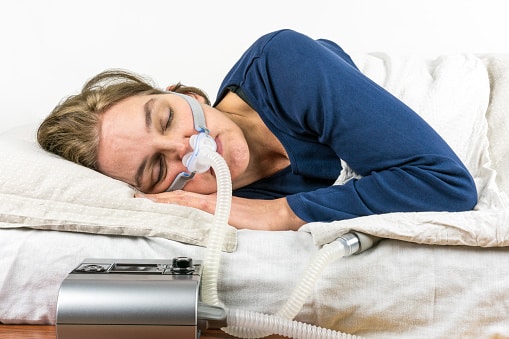
- Use non-invasive ventilation (e.g. BiPAP, CPAP, or other respiratory support)
- Are at risk of respiratory failure, airway obstruction or aspiration
- Have conditions like spinal cord injury, muscular dystrophy, MND, cerebral palsy, or severe neuromuscular disorders
- Require suctioning, oxygen therapy or ventilator monitoring
- Need behavioural or clinical supervision to prevent accidental dislodgement or malfunction
Our support team is trained under Core Module 1 – High Intensity Support Certification and supervised by clinical educators to ensure strict adherence to ventilation care plans.
Our Ventilator Support Services
Where we work
We support NDIS participants with ventilator needs across Greater Western Sydney, including:
Blacktown, Liverpool, Campbelltown, Camden, Penrith, Fairfield, Parramatta, Kellyville, Marsden, Wallacia and Richmond.
What ventilator support involves
We follow a detailed Ventilation Health Care Plan, written by a clinical team (e.g. respiratory specialist, GP, or hospital discharge coordinator). Our responsibilities include:
- Identifying components of the ventilator and confirming correct setup
- Preparing and starting the ventilator
- Fitting breathing masks and ensuring secure seal
- Monitoring oxygen levels, pressure settings and alarms
- Responding to alerts and troubleshooting minor ventilator issues
- Clearing airways and suctioning (if trained and approved)
- Ensuring infection control and hygiene around tracheostomy sites
- Documenting changes in breathing rate, signs of respiratory distress, or signs of infection
- Supporting during repositioning, personal care and transport without compromising the airway
We also provide non-invasive ventilation support where the participant is not tracheostomised but still requires a breathing device — such as CPAP or BiPAP during sleep or periods of respiratory distress.
Our clinical approach
Our team is trained and mentored by Your Local Care Partner — a team of registered nurses with nearly two decades of experience across:
- Respiratory nursing and tracheostomy care
- Critical care and community discharge
- Neuromuscular and spinal injury support
- Airway clearance and suctioning
- Infection prevention and clinical documentation
We ensure every staff member understands:
- Basic respiratory system anatomy
- Signs of respiratory distress
- The difference between invasive and non-invasive ventilation
- Functions of various breathing masks and tubes
- Emergency procedures and when to escalate to emergency services
Why Best Care SERVICES?
Why families and coordinators choose us for Ventilator Support
- Registered NDIS Provider
- Core Module 1 – High Intensity Support Certified
- Trained in both invasive and non-invasive ventilator protocols
- Supervised by clinical nurses with respiratory expertise
- 24/7 reliability with real experience in ventilator safety
- Trusted by families, coordinators and clinicians across Sydney
Get In Touch With Us Today
Reach out to learn how we can support you or your loved one.
Frequently Asked Questions
Invasive ventilation requires a breathing tube inserted through a tracheostomy and connected to a mechanical ventilator. Non-invasive ventilation uses a face or nasal mask (e.g. CPAP or BiPAP) to support breathing without surgical intervention.
NDIS participants with conditions like muscular dystrophy, spinal cord injury, MND, or severe cerebral palsy may need ongoing mechanical ventilation to support breathing. This includes people using a ventilator full-time or during sleep.
Yes. Both invasive and non-invasive ventilation fall under high-intensity support when there is a risk of aspiration, airway blockage, or health deterioration. Workers must be trained and supervised under Core Module 1 certification.
Our workers assist with ventilator setup, monitor breathing and alarms, keep the airway clear, observe for distress or infection, and follow all steps in your respiratory health plan. For invasive ventilation, we only assign clinically approved workers.
Yes — but only by workers who are trained and assessed as competent under clinical supervision. We provide oral and tracheal suctioning and clean around the stoma, ensuring infection control and comfort.
Our workers are trained to respond calmly and quickly — reconnecting tubing, repositioning masks, or escalating to emergency services if needed. We follow a step-by-step troubleshooting process included in your plan.
Yes. We support participants using non-invasive ventilation (NIV) devices like CPAP and BiPAP, including those with obstructive sleep apnoea, neuromuscular weakness, or overnight respiratory compromise.
All ventilator workers at Best Care Services are trained under Core Module 1 and mentored by registered nurses with advanced respiratory experience. Their competency is reviewed regularly to ensure safety and skill.
Our High Intensity Supports

Epilepsy and Seizure Support
Epilepsy and Seizure Support

Complex Bowel Care
Complex Bowel Care
Enteral Feeding
Enteral Feeding

Severe Dysphagia Care
Severe Dysphagia Care

Tracheostomy Care
Tracheostomy Care
Urinary Catheter Care
Urinary Catheter Care
Ventilator Management
Ventilator Management

Subcutaneous Management
Subcutaneous Management