NDIS Severe Dysphagia & Mealtime Management Support in Western Sydney
High-intensity support for safe swallowing, nutrition and dignity at mealtimes.
Trained support workers delivering clinically guided mealtime care.
At Best Care Services is a registered NDIS provider offering safe and respectful mealtime support for people living with severe dysphagia or swallowing difficulties. Our Severe Dysphagia & Mealtime Management Support services are available across Western Sydney, including Bankstown, Blacktown, Camden, Campbelltown, Fairfield, Greystanes, Kellyville, Liverpool, Macarthur, Merrylands, Parramatta, Richmond, and surrounding suburbs.

Specialist mealtime care for people at risk of choking or aspiration
NDIS Support for Dysphagia
Dysphagia — difficulty swallowing — can be life-threatening when not properly managed. It may lead to choking, aspiration pneumonia, dehydration or malnutrition if mealtimes aren’t supported by trained staff who follow a clinical mealtime plan.
At Best Care Services, we provide high-intensity dysphagia and mealtime support for NDIS participants who:
- Have been diagnosed with severe dysphagia
- Require modified food textures and/or thickened fluids
- Are at risk of aspiration, choking or silent aspiration
- Experience swallowing fatigue or delayed swallow
- Have had a history of pneumonia or food aspiration
- Use postural or behavioural strategies to support safe intake
Our team is trained under Core Module 1 – High Intensity Supports, and follows detailed Mealtime Preparation and Delivery Plans developed by speech pathologists or other allied health professionals.
Our Dysphagia Support Services
Where we work
We deliver severe dysphagia and mealtime support across Greater Western Sydney, including:
Blacktown, Penrith, Campbelltown, Camden, Parramatta, Liverpool, Fairfield, Kellyville, Richmond, Marsden, and Wallacia.
What we do at Best Care Services
Our support workers follow your mealtime plan precisely. This plan outlines:
- Food and drink texture levels (e.g. pureed, minced and moist, thickened fluids – IDDSI framework)
- Feeding assistance techniques including pacing, spoon placement, and sip size
- Positioning strategies before, during and after meals
- Environmental controls to reduce distractions during feeding
- Monitoring signs of distress such as coughing, wet voice, fatigue, or delayed swallow
- Documentation and escalation protocols when changes are observed
We support participants to eat safely and comfortably — with dignity, confidence and continuity.
Clinically backed. Person-centred.
Best Care Services staff are trained and supervised by Your Local Care Partner, a team of registered nurses and clinical educators with nearly 20 years of experience each in:
- Complex disability
- Neurological and stroke care
- Emergency and aspiration response
- Diet, nutrition and speech therapy collaboration
- Clinical mealtime safety
We ensure every worker understands the serious risks of dysphagia and is equipped to deliver safe, patient-focused care.
Why Best Care SERVICES?
Why families and coordinators choose us for Dysphagia Support
- Registered NDIS Provider
- Core Module 1 certified for high-intensity mealtime supports
- Training in dysphagia risk, aspiration protocols and choking prevention
- Supervised by senior nurses and allied health educators
- Consistent staffing to reduce mealtime anxiety and improve outcomes
- Trusted by families, support coordinators and clinicians across Sydney

Get In Touch With Us Today
Reach out to learn how we can support you or your loved one.
Frequently Asked Questions
Dysphagia is difficulty swallowing. When severe, it can lead to choking or food/fluid entering the lungs (aspiration), which may cause pneumonia. High-intensity support ensures meals are delivered safely, following a clinically written mealtime plan.
A speech pathologist or qualified allied health professional writes the Mealtime Preparation and Delivery Plan. It outlines safe textures, techniques, pacing and supervision levels. Our role is to follow it precisely.
We monitor for coughing, gurgly voice, drooling, chewing difficulty, food residue, swallowing delays or fatigue. These signs may indicate distress or aspiration risk, and we escalate to your health team as needed.
Yes. Where required, our support workers assist with feeding — using proper pacing, spoon placement, and rest periods to reduce fatigue. We also monitor posture, alertness and comfort throughout.
Yes. We support people with combined oral and PEG feeding needs. We follow both feeding schedules closely and ensure the participant’s nutrition is managed holistically with the health team.
We aim for consistency in staffing, especially for personal mealtime care. Familiar workers reduce anxiety and allow for more stable, respectful and safe support at every meal.
We work closely with your health team, providing documentation, progress updates and alerts when changes occur. Our clinical supervisor ensures ongoing alignment with professional recommendations.
Our High Intensity Supports

Epilepsy and Seizure Support
Epilepsy and Seizure Support

Complex Bowel Care
Complex Bowel Care
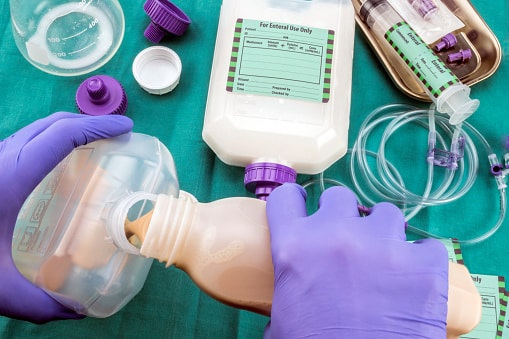
Enteral Feeding
Enteral Feeding
Severe Dysphagia Care
Severe Dysphagia Care

Tracheostomy Care
Tracheostomy Care
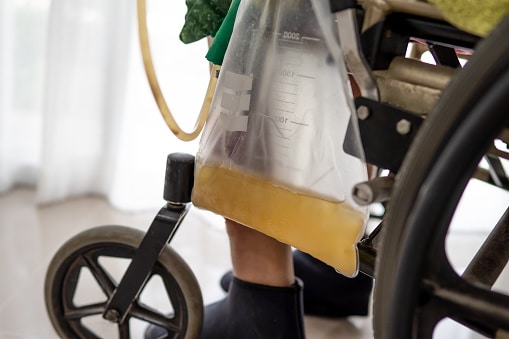
Urinary Catheter Care
Urinary Catheter Care
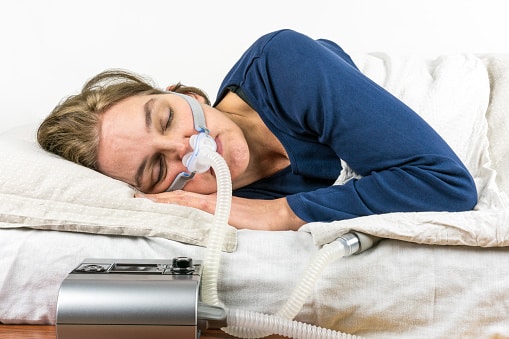
Ventilator Management
Ventilator Management

Subcutaneous Management
Subcutaneous Management