
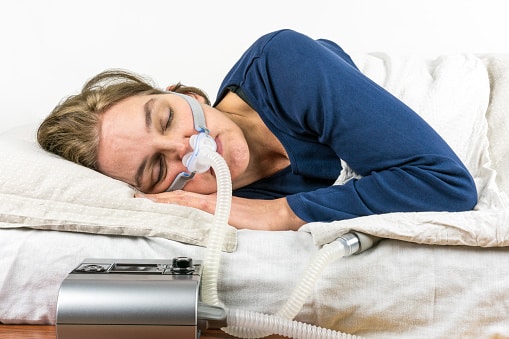
Ventilator management and support are critical components of healthcare for individuals who require assistance with breathing.
Whether due to respiratory conditions, spinal cord injuries, or other serious medical issues, some individuals may rely on ventilators to assist or fully manage their breathing. It is essential to have proper ventilator management to maintain comfort, health, and safety.
This guide will provide an in-depth look at Ventilator Management and Support, explain who should be providing this care, and highlight how Best Care Services can assist with Ventilator Management and Support in Western Sydney.
What is Ventilator Management and Support?
Ventilator management involves the ongoing care, monitoring, and maintenance of a ventilator machine that assists individuals with their breathing.
Ventilators can be used for both short-term and long-term support, depending on the patient’s needs. This support is critical for individuals who have difficulty breathing on their own due to conditions like chronic obstructive pulmonary disease (COPD), severe asthma, or neurological conditions.
Ventilator Support refers to the overall assistance provided to the individual while using the ventilator.
This includes monitoring vital signs, ensuring the ventilator is functioning correctly, and providing immediate support in case of complications such as ventilator malfunction, infection, or airway obstructions.
At Best Care Services, we offer Ventilator Management and Support in Western Sydney, ensuring that individuals receive professional, personalized care from qualified professionals trained to handle these complex needs.
Who Should Provide Ventilator Management and Support?
Proper ventilator management is not something that can be handled by just anyone. It requires specialized training and expertise to ensure the patient’s safety and comfort.
In the context of NDIS (National Disability Insurance Scheme), two types of people are qualified to provide ventilator management and support:
1. NDIS Registered Nurses
NDIS Registered Nurses are trained healthcare professionals who are authorized to manage ventilator care. These nurses are skilled in the complexities of respiratory support, including how to:
- Set up and monitor ventilators
- Assess the patient’s respiratory status
- Respond to issues or alarms on the ventilator
- Maintain hygiene to prevent infections in the airways or ventilator tube
- Educate the patient and family members on how to manage ventilator care at home
Their training ensures that they can provide the highest level of care to individuals who depend on ventilators for breathing.
2. Support Workers with Module 1 High Intensity Training
Support workers who have completed Module 1 High Intensity Training by a registered nurse team are also qualified to assist with ventilator management and support.
This training is specifically designed for support workers to manage high-intensity care needs, including ventilator support.
This program ensures that high intensity support workers understand how to monitor the patient’s respiratory needs, identify potential complications, and respond appropriately in emergencies.
The training covers how to safely handle the ventilator, address any malfunctions, and ensure the patient is receiving adequate oxygen and support.
It is critical that only NDIS Registered Nurses or support workers with the appropriate training provide ventilator care.
This ensures that patients receive the highest level of safety and care, particularly in situations where rapid intervention may be necessary.
Key Components of Ventilator Management and Support
Proper ventilator management goes beyond just operating the device. It involves regular monitoring, adjustments, and ensuring that the patient is comfortable and safe. Here are the key components of ventilator management and support:
1. Ventilator Setup and Adjustment
When a patient first begins using a ventilator, the device must be correctly set up to match their specific respiratory needs. This includes adjusting the:
- Ventilator settings to match the required oxygen levels, breathing rate, and pressure.
- Oxygen flow rate, which should be tailored to the individual’s condition.
- Ventilator tube placement, ensuring it is securely in place and free from blockages.
As patients’ conditions change, these settings may need to be adjusted. Regular assessments and adjustments help maintain optimal ventilation.
2. Monitoring Vital Signs and Oxygen Levels
Monitoring is essential for ensuring that the ventilator is functioning properly and that the patient is receiving adequate oxygen. This includes checking the:
- Heart rate and blood pressure
- Oxygen saturation levels (measuring the amount of oxygen in the blood)
- Breathing patterns and airway resistance
Monitoring these factors helps prevent issues like respiratory distress or hypoxia (lack of oxygen).
3. Maintaining Ventilator Hygiene
Regular cleaning of the ventilator and its components is crucial to prevent infections, especially ventilator-associated pneumonia (VAP). This involves:
- Cleaning the ventilator tubing to prevent bacterial growth.
- Changing filters and humidifiers to ensure proper airflow and moisture levels.
- Cleaning or replacing the ventilator mask regularly.
Proper hygiene is essential in reducing the risk of infection and ensuring the ventilator functions properly.
4. Airway Clearance and Management
Patients using ventilators may also need assistance with airway clearance. This can include:
- Suctioning the airway to clear any mucus or secretions that may block airflow.
- Using a humidifier to maintain moisture in the airway and prevent it from drying out.
- Managing coughing to help expel excess mucus.
These techniques help keep the airways clear and prevent obstructions that could interfere with breathing.
5. Emergency Response and Troubleshooting
Ventilators are complex machines, and issues may arise that require immediate attention. These can include:
- Ventilator alarms indicating problems with pressure or airflow.
- Tube displacement or blockage.
- Failure of the ventilator’s power source or components.
Trained professionals, such as NDIS Registered Nurses or qualified support workers, must be able to respond quickly to these situations to ensure the safety of the patient.
Why Choose Best Care Services for Ventilator Management and Support in Western Sydney?
At Best Care Services, we understand the critical role that ventilator management plays in maintaining the health and well-being of individuals who rely on respiratory support.
Our team of NDIS Registered Nurses and Support Workers trained in Module 1 High Intensity are equipped to provide comprehensive ventilator management and support to meet each person’s unique needs.
Here’s why you should choose Best Care Services for your ventilator support needs:
- Highly Skilled Professionals: Our team consists of trained and experienced NDIS Registered Nurses and support workers who specialize in high-intensity care.
- Comprehensive Care Plans: We tailor our care plans to ensure each individual receives the right level of support, from routine monitoring to emergency response.
- Focus on Hygiene and Safety: We emphasize maintaining hygiene and ensuring that ventilators function correctly to prevent complications.
Personalized Support in Western Sydney: We are proud to offer Ventilator Management and Support in Western Sydney, ensuring timely, reliable care in your local area.
Get the Ventilator Support You Need Today
If you or your loved one requires Ventilator Management and Support in Western Sydney, Best Care Services is here to help. Our team is available to provide the expert care you need to ensure your ventilator is managed safely and effectively.
Additionally, we offer NDIS Module 1 High Intensity Training across Sydney to support workers, ensuring they are trained to manage complex care needs, including ventilator support. For more information, visit our NDIS Module 1 Training page today.
Contact Best Care Services now to learn how we can assist with ventilator management and support. Our experienced team is ready to help you or your loved one breathe easier with compassionate, professional care.