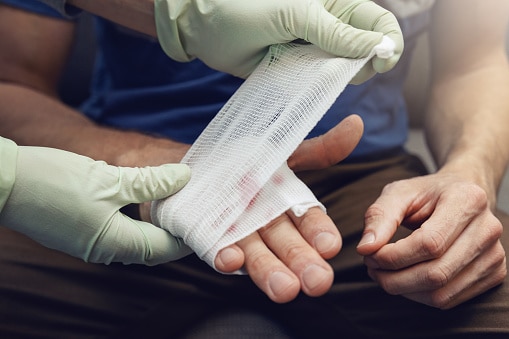
High Intensity Supports are a specific category of supports within the NDIS for people who require more complex care. These supports involve tasks that must be delivered by workers with specialised training, due to the higher risk involved.
This could include people who need help with things like:
- Complex bowel care
- Diabetes management (including insulin injections)
- Enteral feeding (PEG feeding)
- Tracheostomy care
- Urinary catheter care
- Ventilation support
- Seizure management (especially for epilepsy)
- Pressure care and wound management
- Subcutaneous injections
These are clinical, often daily needs that—if done incorrectly—can lead to serious health consequences. That’s why the NDIS recognises these supports as “high intensity” and requires trained staff to deliver them.
Table of Contents
ToggleWho Are High Intensity Supports For?
If you’re a person living with a disability and need specialised health-related assistance on a regular basis, you might be eligible for high intensity supports.
These supports are typically funded in NDIS plans when:
- You’ve been assessed as having complex medical needs.
- A registered nurse or allied health professional has recommended certain supports be delivered by trained support workers.
- There’s a clinical risk if tasks are done by someone unqualified.
If you have epilepsy, diabetes, or a progressive condition like multiple sclerosis or motor neurone disease, your NDIS plan may include high intensity supports.
What Do High Intensity Support Workers Do?
Support workers delivering high intensity care need more than just a kind heart—they must be trained to perform clinical tasks safely and confidently.
They might:
- Administer medications (including injections)
- Monitor blood sugar levels and give insulin
- Change wound dressings
- Manage continence needs
- Provide PEG tube feeding
- Monitor breathing and respond to seizures or aspiration risks
These aren’t casual tasks. Each procedure follows a care plan developed by a nurse or clinical team. The support worker is trained on that specific plan before delivering the care.
How Are High Intensity Supports Funded Under the NDIS?
High Intensity Supports are usually funded under the Core Supports category of your NDIS plan—specifically within Assistance with Daily Life.
There are three pricing tiers for high intensity support workers based on the level of care you need:
- Standard Supports – For general daily living tasks.
- High Intensity Level 1 – For less complex care with some risks.
- High Intensity Level 2 or 3 – For complex or multiple medical needs requiring skilled staff.
The level funded depends on a clinical assessment and the type of care you need.
What Qualifications Do Support Workers Need?
For high intensity care, your support worker needs to be trained in each specific task outlined in your care plan. This training can be delivered by a registered nurse or another health professional.
For example, a support worker can’t deliver PEG feeding or complex wound care unless they’ve:
- Received formal training for that task
- Been assessed as competent
- Understand how to respond to emergencies related to that task
The NDIS is cracking down on NDIS Providers who are not compliant with their auditing and training. It is important that High Intensity Support providers are trained and. At Best Care Services, our staff receive ongoing training and supervision from experienced nurses to make sure care is delivered safely and with dignity.
Why Continuity Matters
When you’re receiving high intensity support, you need consistency. Having the same small team of trained staff helps build trust, ensure safety, and reduce the need for re-training. It also gives you greater control and peace of mind.
That’s why Best Care Services keeps our teams small and focused—so you don’t have to keep explaining your needs to new faces.
How to Access High Intensity Supports in Your Plan
If you’re unsure whether you’re eligible or if your current NDIS plan doesn’t reflect your medical needs, here’s what you can do:
- Speak to your Support Coordinator or Local Area Coordinator (LAC)
They can help you prepare for a plan review. - Request an updated assessment
This may involve input from your GP, nurse, or allied health professional. They’ll need to document your care needs. - Submit a change of circumstances to the NDIA
If your needs have increased, you can request a plan reassessment to include high intensity supports.
What to Look for in a High Intensity Support Provider
Not all NDIS providers are equipped to offer high intensity supports. Look for:
- NDIS registration for High Intensity Daily Personal Activities
- Nurse-led training and supervision
- Tailored care plans based on clinical guidance
- 24/7 availability if you need around-the-clock care
- Experience with your specific condition
Best Care Services is a registered NDIS provider in Sydney that offers high intensity support backed by clinical oversight and ongoing staff training.
How We Can Help
Living with complex needs shouldn’t mean compromising on your care. With the right team, you can live safely, with confidence, and on your terms.
At Best Care Services, we believe in quality, consistency, and compassion—whether your support needs are straightforward or complex. If you’re based in Sydney and need help understanding or accessing high intensity supports under the NDIS, we’re here to help—no pressure, just honest guidance.
Frequently Ask Questions
Q: Can I mix standard support workers with high intensity workers in my care team?
Yes, absolutely. Many participants have a blended team. Standard support workers can assist with everyday tasks like cooking or cleaning, while trained high intensity staff can handle clinical needs. This helps manage your funding efficiently while still getting safe care.
Q: What happens if my care needs become more complex over time?
If your needs change, your care plan can be updated. A nurse or allied health professional can reassess your situation and develop a new care plan. You can then request a plan reassessment from the NDIA to include additional funding for higher-level supports.
Q: Can I still receive high intensity supports in a community setting or during outings?
Yes. As long as the worker is trained and the care is safe to deliver in the environment, high intensity supports can be provided outside the home. This includes school, work, social events, or during travel.
Q: Is there a limit to how many high intensity hours I can receive?
The hours are based on what’s reasonable and necessary for your specific needs. There’s no fixed limit, but the NDIA will expect clinical justification for the amount of support requested.
Q: Do support workers need to be nurses to deliver high intensity supports?
No, but they must be trained by a nurse or clinician in each specific task and assessed as competent. Some complex procedures still require a nurse or delegated healthcare worker—your provider will guide you based on risk level.
Q: Who is responsible if something goes wrong during a high intensity task?
Your provider is legally responsible for ensuring workers are properly trained and supervised. That’s why it’s crucial to choose a provider with experience in high intensity care and strong clinical governance, like Best Care Services.
Q: Will I need to provide my own medical equipment or supplies?
Some items (like dressings, catheters, or feeding tubes) may be provided by your healthcare team or funded separately in your plan. Your provider can help coordinate what’s needed and ensure staff are trained to use your specific equipment correctly.
Q: Can high intensity supports be delivered during overnight shifts?
Yes. If your care plan includes overnight needs (like regular turns to prevent pressure injuries or overnight PEG feeds), high intensity supports can be delivered 24/7—day or night.
Q: What’s the difference between “high intensity support” and “nursing care”?
Nursing care is provided by a registered nurse. High intensity support can be delivered by a trained support worker under a nurse’s supervision. The difference lies in who delivers the care and the level of training required.
Q: I live in shared accommodation—can I still get high intensity supports?
Yes. Whether you’re in SIL (Supported Independent Living), SDA (Specialist Disability Accommodation), or a private home, you’re entitled to receive the care you need. Your provider will work with your housing arrangement to ensure safe delivery of supports.
Q: Can I choose who provides my high intensity supports?
Yes. You have full choice and control over your provider, even for complex supports.
Q: Do I need a nurse all the time?
No. A registered nurse may set up the care plan and train your support worker, but the ongoing care can be delivered by trained support staff.
Q: What if my support worker doesn’t feel confident?
They should not deliver the care. Re-training or supervision must be arranged. At Best Care Services, we take this seriously—our workers only deliver care they’ve been trained for.