

Melbourne’s world-class public transport system; trams, trains, and buses, opens up incredible opportunities for NDIS participants to explore their city, build independence, and enjoy community life. For many people with disabilities, learning to navigate public transport (often called travel training) is a game-changer. It supports goals in your NDIS plan around community access, skill development, and greater independence.
At Best Care Services, we specialise in high-intensity and complex care supports. We regularly help participants develop safe, confident travel skills tailored to their unique needs, whether that involves mobility support, communication strategies, or techniques to manage anxiety around new experiences.
This guide combines Melbourne’s must-visit destinations with practical, step-by-step travel training tips. You can use it for self-guided practice or as inspiration for supported outings with your team.
Why Travel Training Matters for NDIS Participants
Travel training builds real-world skills: planning journeys, reading timetables, managing sensory input, and handling unexpected changes. It can reduce reliance on more expensive forms of transport, increase social connections, and boost overall wellbeing. Many of our participants who previously felt intimidated by the thought of public transport now enjoy regular outings with growing confidence.
Eligibility note: Many NDIS participants qualify for free or concession Myki cards. Speak with your support coordinator or plan manager about funding for travel training under Core or Capacity Building supports.
NDIS Travel Training 101: Public Transport Basics in Melbourne
Before heading out, master these fundamentals:
– Myki Card: Get a Myki (full fare or concession). Eligible NDIS participants can access concessions — service delivery manager or support coordinator.
– PTV App & Website: Use the Public Transport Victoria (PTV) app for real-time tracking, accessibility filters (lifts, ramps, low-floor trams), and journey planning.
– Accessibility Features: Most trams and trains are accessible. Station staff can assist with ramps or boarding. Request “Passenger Assistance” via the PTV app or by calling 1800 800 007.
Tips:
– Plan quieter times to reduce sensory overload.
– Carry a “travel kit” (medication, communication cards, comfort items).
– Ensure to communicate your particular challenges or concerns so that support workers are prepared and trained to meet your specific needs.
– Safety First: Start with short, familiar routes. Gradual exposure works best, many participants begin with one stop at a time.
Top 10 Iconic Melbourne Spots + Step-by-Step Travel Routes
Here are 10 accessible, participant-friendly destinations. Routes start from central Melbourne (Flinders Street or Southern Cross stations) for simplicity. Always double-check PTV for your exact starting point and current timetables.
Federation Square
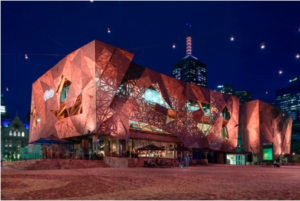 Vibrant cultural hub with free events, street performers, and people-watching. Great for short, low-pressure outings.
Route: From Flinders Street Station walk 2 minutes (fully accessible).
Tip: Visit during quieter weekday mornings. Excellent tram access from multiple suburbs.
Royal Botanic Gardens Melbourne
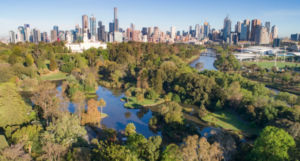 Peaceful gardens with wide paths, beautiful landscapes, and calming nature, ideal for relaxation or gentle walks.
Route: Tram from Flinders St / Swanston St (alight at Domain Interchange or stop 22). Approximately 10–15 minutes.
Tip: Wheelchair and pram-friendly paths. Combine with a picnic on a sunny day.
Queen Victoria Market
 Bustling fresh produce, food stalls, and atmosphere. The Winter Night Market (June–August) is especially magical.
Route: Tram from Elizabeth Street (alight at Queen Victoria Market stop). Approximately 5–10 minutes from CBD.
Tip: Go early to avoid crowds. Sensory-friendly with support.
Southbank Promenade & Yarra River
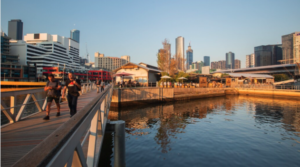 Scenic riverside walks, cafes, and views of the city skyline.
Route: Short walk from Flinders Street Station across Princes Bridge, or Tram 70 from Southbank.
Tip: Flat, accessible paths perfect for varied mobility needs.
National Gallery of Victoria (NGV)
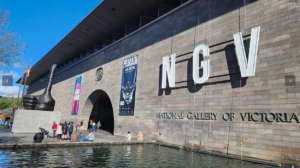 World-class art, free permanent collection, and indoor comfort, excellent for all weather.
Route: Tram to St Kilda Road / NGV stop. Approximately 5 minutes.
Tip: Quiet galleries available; ask staff for accessibility guides.
St Kilda Beach & Foreshore
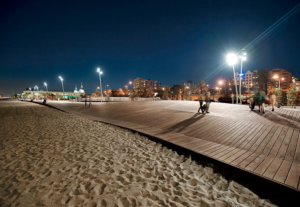 Classic Melbourne experience with beach views, pier, and relaxed vibe.
Route: Tram from Swanston Street / CBD directly to St Kilda Beach Approximately 25–30 minutes.
Tip: Accessible tram stops and promenade. Great for watching penguins at dusk.
Brighton Beach Bathing Boxes
 The iconic colourful beach boxes and coastal walk is photogenic and memorable.
Route: Train from Flinders Street to Brighton Beach Station (Sandringham line) Approximately 20–25 minutes, then short walk.
Tip: Station has lifts; path to boxes is mostly flat.
Melbourne Zoo
 Animal encounters, shaded paths, and educational value, popular for all ages.
Route: Tram 55 from William Street or train to Royal Park Station Approximately 15–20 minutes.
Tip: Many accessible exhibits. Check for sensory sessions.
State Library Victoria
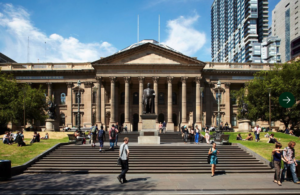 Beautiful heritage building with exhibitions, quiet reading areas, and free events.
Route: Short walk or tram from Flinders Street / Swanston Street.
Tip: Very accessible with excellent indoor facilities.
Docklands / Harbour Esplanade
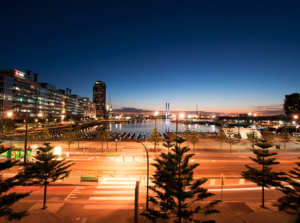 Modern waterfront with playgrounds, public art, and open spaces.
Route: Tram or train to Southern Cross then short walk/tram.
Tip: Flat, open areas suitable for various support levels.
How Best Care Services Supports Your Travel Goals
Our experienced team provides tailored travel training as part of community access and skill development supports. We focus on:
– Person-centred plans that respect your goals and routines.
– Support to address travel-related anxiety.
– Graduated independence – from fully supported to independent trips.
– Continuity of care for participants who may have previously experienced support disruptions. Build rapport with 1-2 support workers.
Many families choose us because we prioritise building trust and long-term stability.
Frequently Asked Questions
Is public transport free for NDIS participants?
Concession Myki cards are available for many eligible participants. Confirm with Centrelink or your support coordinator.
What if I have specific support needs?
Our support workers are trained in your specific requirements. We conduct risk assessments for every new activity.
How do I get started with travel training?
Contact your NDIS planner or support coordinator to include it in your plan. We can assess and begin with low-pressure local trips.
Are these destinations accessible?
Most are highly accessible, but always confirm current conditions via PTV or venue websites.
Ready to Explore Melbourne with Confidence?
Travel training is more than getting from A to B, it’s about living a richer, more connected life. Whether you need occasional support for complex needs or structured skill-building, Best Care Services is here to help.
Contact us today to discuss personalised community access and travel training supports in Melbourne. Our team is ready to help you or your loved one experience the city safely and enjoyably.
This article is for informational purposes. Always consult your NDIS plan, support coordinator, and healthcare professionals for personalised advice.
Please note: ‘Tap and go’ (contactless payment) is now available to passengers of Melbourne’s trains, trams and buses which allows passengers to pay for Victorian public transport using a Visa or Mastercard bank card, smartphone, or smartwatch. Passengers can simply tap on at the start of the journey and tap off at the end using the same card or device. However, this tap-and-go system is currently for full-fare passengers only. When using a concession card, student pass, or senior discount, passengers still need to use the physical myki card.