High-intensity support for participants with tracheostomies — backed by clinical oversight.
Care that keeps airways clear, safe, and stable.
At Best Care Services, we provide safe, nurse-supervised tracheostomy care for NDIS participants, including support with suctioning, dressing changes, and emergency response. Our Tracheostomy Care Support services are available across Western Sydney, including Bankstown, Blacktown, Camden, Campbelltown, Fairfield, Greystanes, Kellyville, Liverpool, Macarthur, Merrylands, Parramatta, Richmond, and surrounding suburbs.
Managing a tracheostomy safely, every day
NDIS Tracheostomy Care Support
Tracheostomy care requires continuous attention to hygiene, secretion management, infection control, and airway patency. If done poorly, it can result in obstruction, respiratory distress, or accidental decannulation.
At Best Care Services, we understand that tracheostomy support isn’t just clinical — it’s deeply personal. Our team works closely with the participant, their family, and their treating team to maintain safety, confidence, and stability.
We support participants who:
Have a tracheostomy tube in place (temporary or permanent)
Require help with routine suctioning or tube tie changes
Are non-verbal or ventilated through a tracheostomy
Have been recently discharged from hospital with a tracheostomy
Need airway monitoring, infection prevention, or support during mobility and ADLs
Our Tracheostomy Care Support Services
Areas that we service
We provide in-home tracheostomy support across Greater Western Sydney, including: Liverpool, Blacktown, Penrith, Campbelltown, Fairfield, Merrylands, Parramatta, Camden, Mount Druitt, and Hawkesbury.
Our support includes
All tracheostomy care is delivered in accordance with a written care plan developed by a health practitioner (e.g. respiratory nurse, ENT, or GP). Our trained support team provides:
Daily support to monitor stoma site and skin integrity
Routine suctioning as per plan to maintain airway clearance
Support with equipment cleaning, drying and maintenance
Observations for signs of infection, bleeding or obstruction
Tube tie changes (with 2 support staff present as required)
Maintenance of charts and daily reporting
Escalation protocols and response in the event of respiratory distress
Support with emergency positioning and CPR if required
Clinical supervision and escalation
Tracheostomy care must be delivered by trained staff working under a clinically overseen care plan. Our support workers trained and supervised by Your Local Care Partner, a team of registered nurses with over 20 years of experience in complex disability and respiratory care.
All staff working in tracheostomy support must have:
Certification in High Intensity Support: Tracheostomy Care
Training in first aid, CPR and recovery positioning
Supervised experience with suctioning, skin care and equipment handling
A deep understanding of tracheostomy components, speaking valves, cuff pressure, and secretion risks
Why Best Care SERVICES?
Why families and coordinators choose us for Tracheostomy Care Support
Registered NDIS Provider
Supervised by a clinical nursing team
Trained in emergency procedures for decannulation
2-worker policy for tube tie replacements
Familiar with all major tracheostomy systems and care routines
Yes. Our staff are trained to perform suctioning in accordance with a written care plan and under clinical oversight. We monitor frequency, volume, and response, and maintain records as required.
Yes — but this requires two trained workers to be present at all times, due to the risk of accidental decannulation. We only perform this support under strict protocols and clinical instruction.
Our workers are trained in emergency positioning, airway clearance, and CPR. We escalate immediately to paramedics or a clinician as per your emergency response plan.
Yes. If a participant is on a ventilator, we ensure all workers are trained in both tracheostomy and ventilator support. This includes monitoring ventilator settings and maintaining airway equipment.
Your Local Care Partner provides clinical oversight, develops the plan in collaboration with treating teams, and trains all staff involved in the participant’s tracheostomy care.
Absolutely. We work with discharge teams and transition coordinators to ensure a smooth handover, including medication routines, suctioning, emergency planning and equipment setup.
Our High Intensity Supports
Epilepsy and Seizure Support
Epilepsy and Seizure Support
Support for people with epilepsy including seizure monitoring, medication administration, and safety planning to manage risks and improve daily wellbeing.
Care for conditions like IBD, IBS, and bowel obstructions using a multidisciplinary approach to manage gastrointestinal issues and improve digestive health.
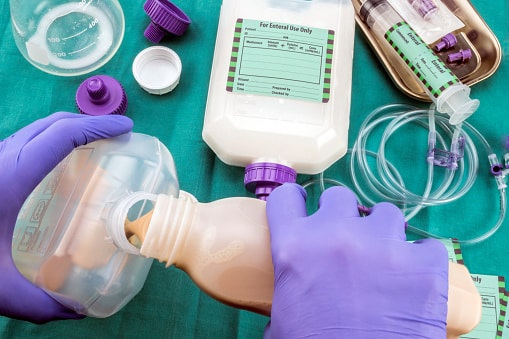
Nutrition delivered via feeding tubes when oral intake isn't possible, ensuring patients receive essential food and nutrients directly into the stomach or intestines.
Tailored care for swallowing difficulties to reduce risks like aspiration and malnutrition, while improving safety and ensuring proper nutritional intake.
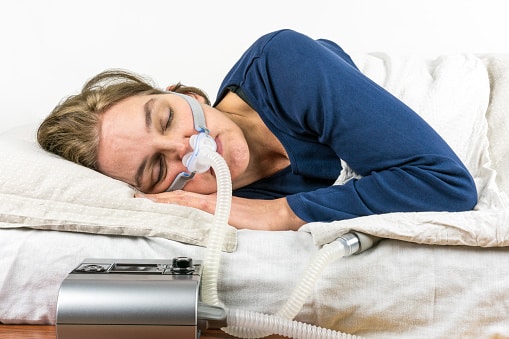
Monitoring and adjustment of ventilators for people with severe respiratory conditions, ensuring safe, independent breathing with round-the-clock clinical oversight.
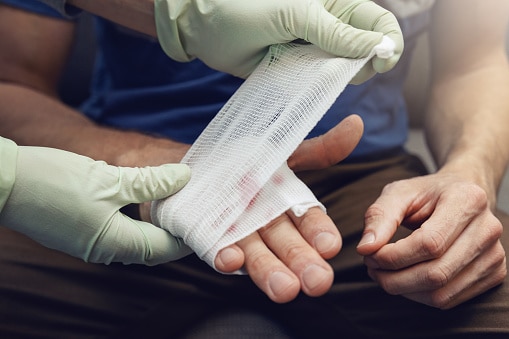
Treatment of hard-to-heal wounds caused by infections, diabetes, or tissue loss, promoting healing and preventing complications through specialised care.