

NDIS Complex Wound Care Support in Western Sydney
High-intensity support for people at risk of pressure injuries or requiring wound care.
Trained care that protects skin integrity and promotes healing.
At Best Care Services provides clinically supervised support for NDIS participants requiring wound dressing and pressure care. Our Complex Wound Care Support is available across Western Sydney, including Bankstown, Blacktown, Camden, Campbelltown, Fairfield, Greystanes, Kellyville, Liverpool, Macarthur, Merrylands, Parramatta, Richmond, and surrounding suburbs.

Skin health is essential — and often overlooked
NDIS Complex Wound Care Services
For many NDIS participants, reduced mobility, incontinence, chronic illness or ageing can increase the risk of pressure sores, skin breakdown, or wounds that won’t heal. Managing this requires more than routine hygiene — it requires structured care, ongoing monitoring, and clinical attention to detail.
At Best Care Services, we support people who:
- Are at risk of developing pressure injuries or bedsores
- Require assistance with daily pressure relief and positioning
- Have open wounds, ulcers, post-surgical wounds, or diabetic foot ulcers
- Need support to manage dressings under a wound care plan
- Are recovering from injury, surgery or infection and need support with healing
- Are prone to skin breakdown due to continence, mobility or nutrition issues
We are a registered NDIS provider with staff trained under Core Module 1 – High Intensity Supports, delivering support in line with a health practitioner’s wound or pressure care plan.
Our Complex Wound Care Support Services
Areas that we service
We provide complex wound and pressure care across Greater Western Sydney, including:
Blacktown, Penrith, Campbelltown, Camden, Fairfield, Liverpool, Parramatta, Kellyville, Marsden, Wallacia and Richmond.
What we provide
We work under the guidance of a wound care or pressure injury management plan developed by a nurse, GP, or wound specialist. Our role includes:
- Supporting with turning, repositioning and offloading pressure
- Monitoring for signs of skin deterioration, redness, swelling or odour
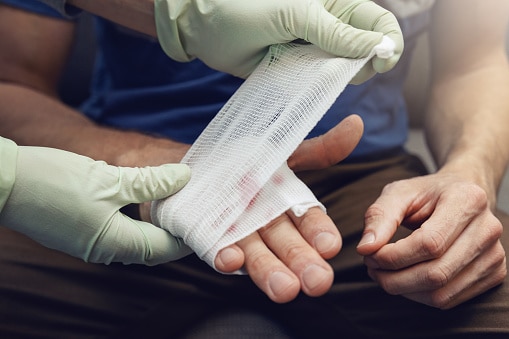
- Cleaning and replacing simple wound dressings under nurse supervision
- Assisting with hygiene around affected areas (continence-related skin damage)
- Observing for signs of infection, delayed healing or new wounds
- Supporting with documentation and clinical handover
- Assisting with wound-related care during showering, toileting, transfers and mobility
Support workers do not perform complex dressing changes, debridement, or advanced wound interventions — but we play a critical role in preventing deterioration and following clinical instructions to support healing.
Training and clinical supervision
All wound and pressure care is supervised by Your Local Care Partner, a team of registered nurses with nearly 20 years’ experience in:
- Wound assessment and dressing selection
- Pressure injury staging and prevention
- Post-surgical wound management
- Skin integrity monitoring in aged and disability care
- Chronic wound management (e.g. ulcers, diabetic wounds)
Our team understands how to balance pressure relief, mobility support, nutrition, hygiene and safety — because wound care isn’t just a task. It’s a daily commitment to dignity and recovery.
Why Best Care SERVICES?
Why families and coordinators choose us for Complex Wound Care Support
- Registered NDIS Provider
- Core Module 1 – High Intensity Support Certified
- Trained in skin integrity, infection control, and dressing observation
- Clinically supervised by wound and pressure injury nurses
- Skilled in prevention, early detection, and safe daily care routines
- Trusted across Sydney by support coordinators, case managers and clinicians
We are calm, consistent and clinically aware — so your loved one gets the care they need without stress or delay.
Get In Touch With Us Today
Reach out to learn how we can support you or your loved one.
Frequently Asked Questions
Any wound-related support that involves skin breakdown, infection risk, dressing maintenance or pressure injury prevention — especially when there’s a risk of deterioration — is considered high-intensity support.
Yes — but only under the written guidance of a wound management plan and within the scope allowed. Our staff support with replacing simple dressings and observing the wound site, under nurse supervision.
Yes. We reposition participants, use pressure-relieving aids, monitor skin integrity, and help implement positioning plans that reduce the risk of pressure injuries — particularly for people with limited mobility or incontinence.
We observe for redness, swelling, heat, unusual odour, pus, pain, or changes in wound colour. These signs are escalated immediately to a nurse or GP as per the management plan.
We support participants with spinal cord injury, diabetes, stroke, CP, long-term bed rest, continence-related skin breakdown, post-operative wounds, or people recovering from falls or surgery.
Yes. We work alongside discharge teams to support wound and skin care instructions — ensuring you recover safely at home with continuity of care.
Our staff are supervised by Your Local Care Partner — a team of experienced registered nurses who mentor and monitor care quality, wound management plans and staff training.
Yes. We remain aware of wound care needs during tasks like showering, dressing, toileting or mobility — ensuring hygiene, monitoring, and safe practices are followed at all times.
Our High Intensity Supports

Epilepsy and Seizure Support
Epilepsy and Seizure Support

Complex Bowel Care
Complex Bowel Care
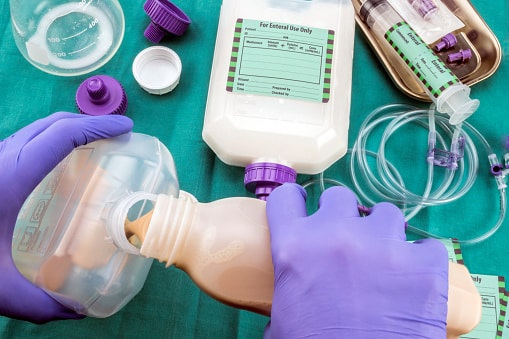
Enteral Feeding
Enteral Feeding

Severe Dysphagia Care
Severe Dysphagia Care

Tracheostomy Care
Tracheostomy Care
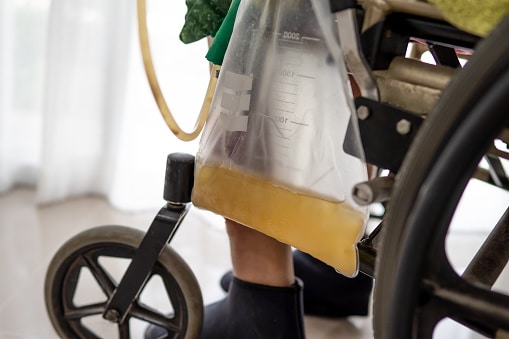
Urinary Catheter Care
Urinary Catheter Care
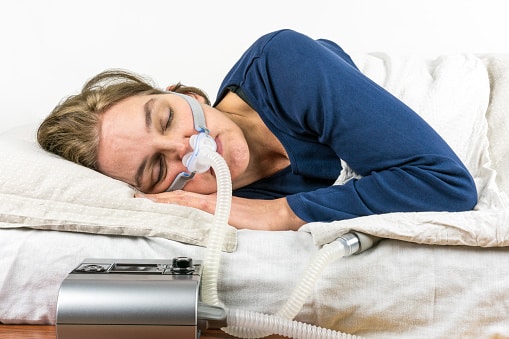
Ventilator Management
Ventilator Management

Subcutaneous Management
Subcutaneous Management