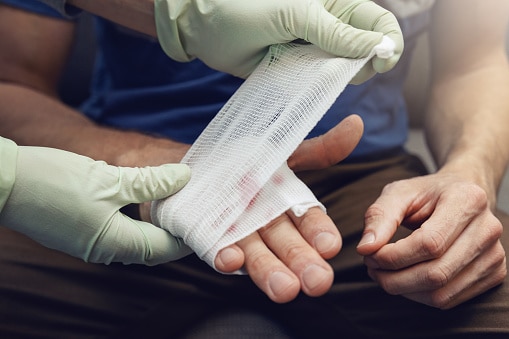
NDIS Subcutaneous Injection Support in Western Sydney
Trained support workers for safe, supervised medication administration.
Skilled injection support for people who can’t self-administer.
At Best Care Services provides high-intensity subcutaneous injection support for NDIS participants, delivering care in line with medication plans with clinical precision and compassion. Our Subcutaneous Injection Support services are available across Western Sydney, including Bankstown, Blacktown, Camden, Campbelltown, Fairfield, Greystanes, Kellyville, Liverpool, Macarthur, Merrylands, Parramatta, Richmond, and surrounding suburbs.

Reliable injection support — when safety, accuracy and timing matter
NDIS Subcutaneous Injection Services
Some NDIS participants cannot self-administer medication and rely on trained support workers for regular injections. This may be due to disability, dexterity issues, cognitive limitations or health risks.
Subcutaneous injections — such as insulin, hormone therapy, or anticoagulants — are time-sensitive and must be delivered accurately. At Best Care Services, our team is trained to support participants who:
- Use pre-filled pens or pumps for medications like insulin
- Require variable dose injections (e.g. calculated insulin units)
- Have chronic health conditions such as diabetes, hormonal disorders, or blood clotting conditions
- Are unable to administer injections independently
- Require daily or routine medication support under supervision
We are a registered NDIS provider, with staff trained under Core Module 1 – High Intensity Supports, and supervised by clinical educators to ensure safe and effective medication administration.
Our Subcutaneous Injection Services
Areas that we service
Our subcutaneous injection support is available across Greater Western Sydney, including:
Blacktown, Liverpool, Parramatta, Camden, Campbelltown, Penrith, Fairfield, Kellyville, Marsden, Richmond and Wallacia.
What our injection support includes
We follow a formal Medication Administration Plan written by your GP, nurse practitioner or clinical specialist. Depending on the plan, we may:
- Administer pre-measured doses using pens or pumps
- Prepare and deliver variable doses under clinical supervision
- Check injection timing, rotation sites, and absorption risks
- Dispose of needles safely using sharps containers
- Observe for adverse reactions or medication withdrawal signs
- Maintain records, charts and incident reports
- Escalate to your health professional as needed
In cases involving variable dosing, our staff follow additional procedures to confirm accuracy. Dose calculation must be reviewed by a clinician before administration.
Conditions we support
- Type 1 and Type 2 Diabetes (e.g. insulin injection support)
- Hormone replacement therapies
- Anticoagulants (e.g. Clexane)
- Pain management injections
- Other prescribed subcutaneous medications where self-injection is not safe or possible
Training and clinical oversight
Our support workers are trained by Your Local Care Partner, a team of registered nurses with nearly 20 years’ experience in:
- Diabetes education and insulin management
- Injection safety and technique
- High-risk medication protocols
- Emergency escalation and medication reaction response
- Community-based chronic disease management
We ensure every worker has the knowledge to:
- Differentiate between injection types (pre-filled pen vs syringe)
- Follow variable dose checking procedures
- Recognise symptoms of overdose, underdose, or allergic reaction
- Understand medication purpose (e.g. insulin vs anticoagulant)
- Perform site rotation and injection hygiene correctly
Why Best Care SERVICES?
Why families and coordinators choose us for Subcutaneous Injection Support
- Registered NDIS Provider
- Core Module 1 – High Intensity Support Certified
- Trained in both pre-filled and variable dose injections
- Supervised by clinical nurses with medication safety experience
- Experience supporting diabetes and chronic disease management
- Trusted by coordinators, families and GPs across Sydney

Get In Touch With Us Today
Reach out to learn how we can support you or your loved one.
Frequently Asked Questions
It involves a trained worker administering medication into the fatty tissue under the skin — often for people who can’t do it themselves due to disability, health risk or physical limitations.
We support pre-filled pen or pump delivery (e.g. insulin, growth hormone), as well as variable dose injections under strict supervision. All injections must be prescribed and documented in a health plan.
Yes. We regularly support participants with Type 1 or Type 2 diabetes who need help managing their insulin injections — including dose timing, site rotation and monitoring for signs of hypo/hyperglycaemia.
A variable dose must be calculated before delivery (e.g. “10 units of insulin based on blood sugar”). This increases the risk of error. All variable dosing must be supervised by a health practitioner and checked before administration.
We use sterile technique, rotate injection sites, follow the care plan exactly, and check for medication reactions. We also keep detailed records and report any incidents to your clinical team immediately.
Support workers can administer subcutaneous injections when trained and approved under a written care plan. Nurses are required for some medications and contexts, but we work closely with them as needed.
We are trained to recognise early signs of reaction or overdose (e.g. rash, dizziness, low blood sugar, swelling), and we follow emergency procedures including escalation to your GP or ambulance services if required.
For variable dose medications, the calculation must be reviewed and approved by a clinical health practitioner (e.g. nurse or GP). Our workers only deliver the dose once it’s been checked.
Our High Intensity Supports

Epilepsy and Seizure Support
Epilepsy and Seizure Support

Complex Bowel Care
Complex Bowel Care
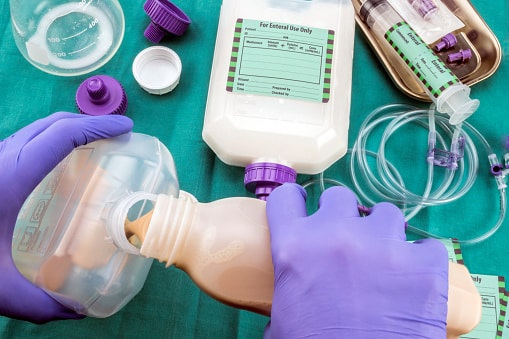
Enteral Feeding
Enteral Feeding

Severe Dysphagia Care
Severe Dysphagia Care

Tracheostomy Care
Tracheostomy Care
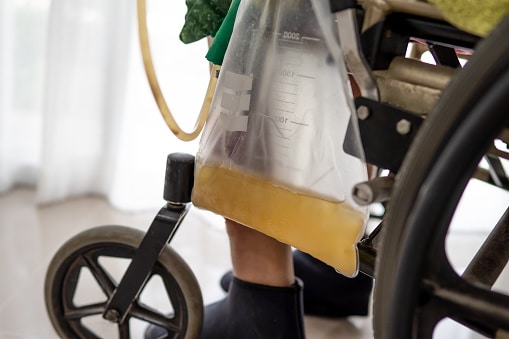
Urinary Catheter Care
Urinary Catheter Care
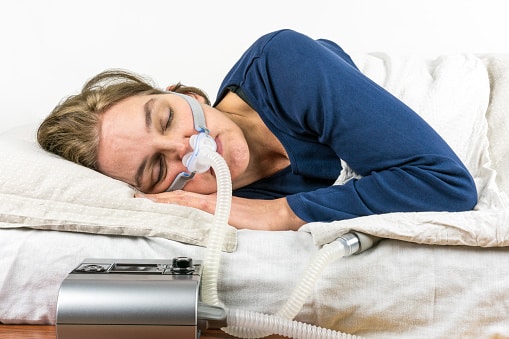
Ventilator Management
Ventilator Management

Subcutaneous Management
Subcutaneous Management