NDIS Enteral Feeding & Tube Management Support in Western Sydney
High-intensity support for PEG, NG and complex enteral feeding needs.
Safe, respectful enteral feeding support from a registered NDIS provider.
At Best Care Services, we deliver high-intensity tube feeding and stoma care support—including helping participants maintain nutrition, dignity, and safety every day. Our Enteral Feeding & Tube Management services are available across Western Sydney, including Bankstown, Blacktown, Camden, Campbelltown, Fairfield, Greystanes, Kellyville, Liverpool, Macarthur, Merrylands, Parramatta, Richmond, and surrounding suburbs.

Specialist tube feeding support that’s safe, consistent and clinically supervised
NDIS High Intensity Enteral Feeding & Tube Management Support
NDIS Enteral Feeding Support
Feeding via a PEG or NG tube is not just a mealtime task — it’s a critical health support that must be delivered with precision and care. If done incorrectly, it can lead to choking, aspiration, infection or malnutrition.
At Best Care Services, we provide enteral feeding support for NDIS participants with:
- PEG feeding (Percutaneous Endoscopic Gastrostomy)
- NG feeding (Nasogastric tubes)
- High risk of aspiration or dysphagia
- Neurological or physical disability preventing oral intake
- Complex behaviours or communication difficulties
- Severe epilepsy or comorbid health risks
Our Enteral Feeding & Tube Management Support Services
Our team is trained under Core Module 1 – High Intensity Supports, and we work under clinical mealtime and nutrition plans developed by qualified health professionals.
Where we work
We support enteral feeding participants across Greater Western Sydney, including:
Blacktown, Penrith, Campbelltown, Camden, Fairfield, Parramatta, Liverpool, Kellyville, Richmond, Marsden, and Wallacia.
What our enteral feeding support includes
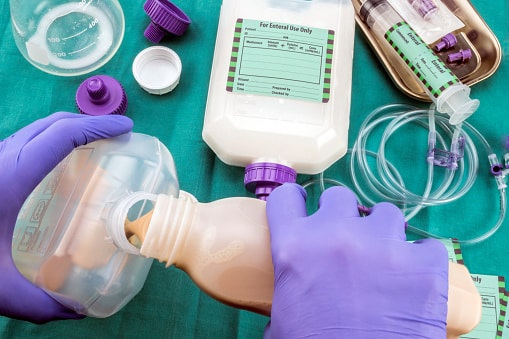
We follow your prescribed Mealtime Preparation and Delivery Plan, which may be developed by your speech therapist, dietitian, GP or allied health team. Our support includes:
- PEG or NG tube feeding as per written mealtime plan
- Monitoring of feed rate, volume and tolerance
- Managing behavioural risks like dislodgement
- Daily cleaning and stoma care
- Monitoring for symptoms: aspiration, reflux, vomiting, chest congestion, dehydration or poor weight gain
- Safe escalation when health intervention is required
- Communication with allied health and clinical team as needed
Where approved, our trained support workers may assist with dislodged PEG balloon tubes — but not NG tubes, which always require a health professional.
Clinical knowledge. Person-centred delivery.
Our staff are trained and clinically supervised by Your Local Care Partner, a team of senior registered nurses with nearly 20 years of experience across:
- Emergency care
- Paediatrics and complex disability
- Enteral feeding systems
- Urology and gastrointestinal care
- Clinical education and compliance
We ensure every worker deployed for enteral feeding has knowledge of:
- Digestive system function and feeding anatomy
- Tube types (PEG vs NG), maintenance, equipment and safety
- Stoma cleaning protocols
- Recognising medical red flags (e.g. blockage, allergic reactions, poor chest health)
- Explaining care decisions clearly to family, carers and coordinators
Why Best Care SERVICES?
Why families and coordinators choose us for Enteral Feeding & Tube Management Support
- Registered NDIS Provider
- Core Module 1 – High Intensity Support Certified
- Clinically supervised enteral feeding and PEG care
- Experience with complex disability, communication needs and behavioural risk
- Calm, respectful and trained support workers
- Trusted by families and coordinators across Sydney
Get In Touch With Us Today
Reach out to learn how we can support you or your loved one.
Frequently Asked Questions
Enteral feeding refers to delivering nutrition via a feeding tube — commonly a PEG (Percutaneous Endoscopic Gastrostomy) or NG (Nasogastric) tube — when a participant can’t safely eat by mouth. It’s classified as high-intensity support when there are health risks or complex care needs.
NDIS participants may need enteral feeding if they live with dysphagia, neurogenic disorders, brain injury, cerebral palsy, progressive illness, or any condition that affects safe swallowing, digestion or nutritional intake. We support both PEG and balloon tubes, where appropriate.
PEG feeding uses a permanent tube inserted into the stomach through the abdomen. NG feeding uses a temporary tube through the nose and throat. NG tubes are higher risk and must be managed only by a clinical health professional, not support workers.
Only a health practitioner can reinsert an NG tube. For PEG balloon tubes (after the initial insertion), our staff can respond if approved by your health team. We also monitor behaviour if the tube is frequently dislodged and take proactive safety measures.
Yes. Our workers are trained in stoma care — including cleaning the stoma site, checking for signs of infection, managing dressing changes, and ensuring hygiene protocols are strictly followed to reduce complications.
Yes. We are trained to work with people at high risk of choking or aspiration and follow detailed feeding plans including posture, pacing, suction support, and feeding consistency.
Absolutely. Our support includes observation for gastrointestinal distress, vomiting, reflux, unplanned weight changes, allergic reactions and signs of dehydration. We escalate to clinical staff immediately if anything falls outside the plan.
Yes. All our workers receive high-intensity training specific to enteral feeding. They understand feeding schedules, equipment, flow regulation, emergency protocols and how to keep you safe — all under registered nurse supervision.
Our High Intensity Supports

Epilepsy and Seizure Support
Epilepsy and Seizure Support

Complex Bowel Care
Complex Bowel Care
Enteral Feeding
Enteral Feeding

Severe Dysphagia Care
Severe Dysphagia Care

Tracheostomy Care
Tracheostomy Care
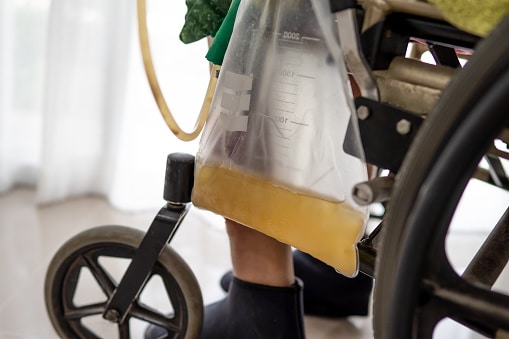
Urinary Catheter Care
Urinary Catheter Care
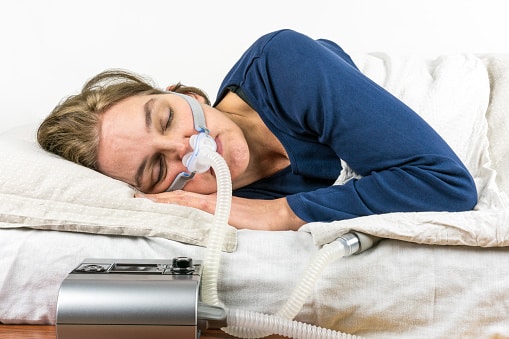
Ventilator Management
Ventilator Management

Subcutaneous Management
Subcutaneous Management