
NDIS Complex Bowel Care Support in Western Sydney
Trained, high-intensity support for personal and clinical bowel care
Specialist bowel care from a registered NDIS provider.
At Best Care Services, we provide safe, respectful, and high-level bowel care for NDIS participants — including enemas, suppositories, digital stimulation, and non-routine PRNs. Our Complex Bowel Care Support services are available across Western Sydney, including Bankstown, Blacktown, Camden, Campbelltown, Fairfield, Greystanes, Kellyville, Liverpool, Macarthur, Merrylands, Parramatta, Richmond, and surrounding suburbs.

Clinically trained, respectful complex bowel care — with safety, dignity and consistency at the core
NDIS High Intensity Complex Bowel Care Support
Why bowel care requires the right support
Bowel care is one of the most personal and high-risk types of support a participant can receive. When not done correctly, it can lead to discomfort, infection, impaction, or serious health complications.
At Best Care Services, we provide complex bowel care for participants who are at risk of severe constipation, faecal incontinence, or have conditions such as:
- Spinal cord injury
- Cerebral palsy (GMFCS levels 3, 4, 5)
- Acquired brain injury (ABI)
- Neurogenic bowel conditions
- Autonomic dysreflexia
- Chronic bowel obstruction
We are a registered NDIS provider with Core Module 1 – High Intensity Support Certification. Our staff are trained in both the clinical requirements and the human side of care — preserving privacy, consent, and dignity.
Our Complex Bowel Care Support Services
Where we work
We provide complex bowel care across Greater Western Sydney, including:
Blacktown, Liverpool, Fairfield, Parramatta, Penrith, Camden, Campbelltown, Kellyville, Marsden, Richmond and Wallacia.
What does complex bowel care include?
Under the NDIS, bowel care is considered “complex” when it involves non-routine interventions or medication. This may include:
- Administration of enemas or suppositories
- Digital stimulation or digital removal of faeces (DRF)
- Massage and positioning for bowel programs
- Stool monitoring and charting
- Ongoing observation and reporting
- Non-routine PRN medication
- Stoma and colostomy care (if bowel-related)
- Infection control and hygiene procedures
We always follow a formal Bowel Care Plan overseen by your GP or treating clinician, with strict documentation, timing, and escalation pathways in place.
Our training and clinical supervision
Our team has been trained by Your Local Care Partner, a group of experienced registered nurses with nearly 20 years each in:
- Emergency care
- Aged care
- Urology
- Mental health
- Clinical education
They ensure our staff have a strong understanding of:
- Gastrointestinal anatomy and function
- Bowel health indicators and when action is required
- Risks such as impaction, overflow, autonomic dysreflexia and perforation
- Nutritional and hydration considerations
- When to refer to a medical professional
Why Best Care SERVICES?
Why families and coordinators choose us for Complex Bowel Care Support
- Registered NDIS Provider
- Certified in Core Module 1 – High Intensity Supports
- Safe, skilled care for invasive bowel procedures
- Supervised by senior nurses and clinical educators
- Person-centred, respectful approach to personal care
- Trusted by coordinators, carers and clinicians across Sydney

Get In Touch With Us Today
Reach out to learn how we can support you or your loved one.
Frequently Asked Questions
Bowel care is classified as complex when it involves non-routine treatment like enemas, suppositories, digital evacuation, or PRN medication. These tasks must be delivered by trained, high-intensity support workers.
Participants with a clinical bowel care plan overseen by a health practitioner — including those with spinal injuries, CP, ABI or neurogenic bowel — may be eligible for this support if approved in their plan.
Yes. We follow the Bowel Care Plan provided by your GP or treating clinician and do not make changes without direction. We document each intervention and escalate where needed.
Our team is trained to recognise warning signs like stool leakage, distension or pain and will escalate to the appropriate clinician promptly. We follow clear guidelines for when and how to act.
Yes. Our staff understand the urgency and seriousness of autonomic dysreflexia and are trained to minimise bowel-related triggers, monitor closely and escalate immediately if symptoms appear.
Where possible, yes. We aim to provide consistent support staff who understand your care routine, history and preferences — especially important for personal care tasks.
Our team is supervised and clinically mentored by Your Local Care Partner — a team of registered nurses with deep experience across bowel care, aged care, emergency and clinical education.
If your current support worker isn’t qualified for complex care, it may put your health at risk. Our team is properly trained, certified and experienced — ready to step in safely and quickly.
Our High Intensity Supports

Epilepsy and Seizure Support
Epilepsy and Seizure Support
Complex Bowel Care
Complex Bowel Care
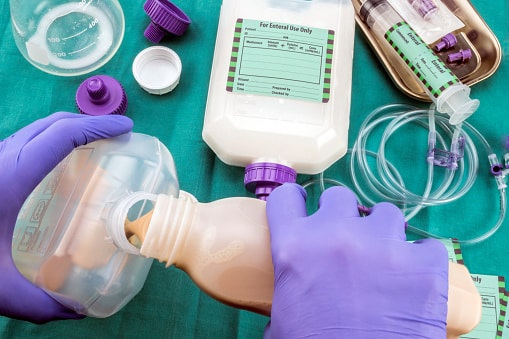
Enteral Feeding
Enteral Feeding

Severe Dysphagia Care
Severe Dysphagia Care

Tracheostomy Care
Tracheostomy Care
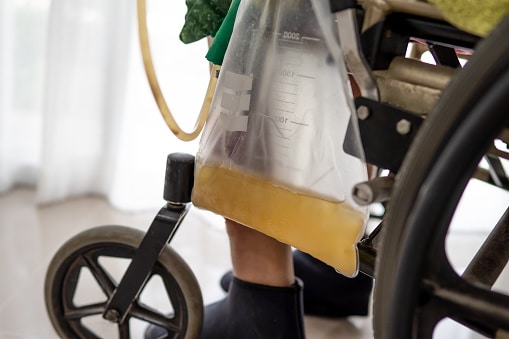
Urinary Catheter Care
Urinary Catheter Care
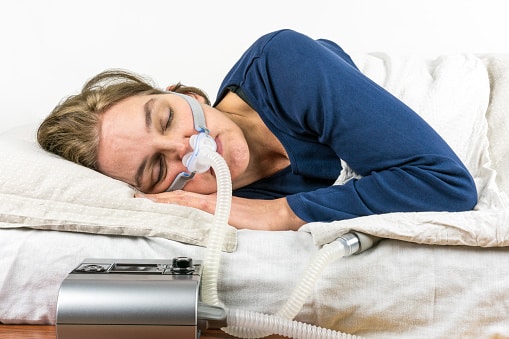
Ventilator Management
Ventilator Management

Subcutaneous Management
Subcutaneous Management