NDIS Epilepsy & Seizure Support in Western Sydney
High-intensity care for people at risk of seizures around Greater Western Sydney.
Specialist, certified seizure support that protects health, dignity and independence.
Trained professionals available 24/7 to administer emergency medication, monitor seizure triggers, and support you with day-to-day epilepsy care. Our Epilepsy & Seizure Support services are available across Western Sydney, including Bankstown, Blacktown, Camden, Campbelltown, Fairfield, Greystanes, Kellyville, Liverpool, Macarthur, Merrylands, Parramatta, Richmond, and surrounding suburbs.

Expert seizure care, delivered with calm and confidence
NDIS High Intensity Seizure Support
Living with epilepsy or recurring seizures can bring uncertainty — for the person experiencing it, and for those around them.
At Best Care Services, we provide specialist, high-intensity support tailored to people who have epilepsy or are at high risk of seizures, including those requiring emergency medication.
We’re a fully registered NDIS provider with Core Module 1 – High Intensity Support Certification, meaning we’re qualified to deliver advanced seizure-related supports in line with national standards
We operate across Greater Western Sydney, including suburbs such as Blacktown, Liverpool, Fairfield, Parramatta, Penrith, Campbelltown, Camden, Kellyville, Richmond, Marsden, and Wallacia.
When is seizure support considered high intensity?
Seizure support is classified as high intensity when:
- Emergency post-seizure (PRN) medication like Midazolam is required
- A person has frequent, severe or complex seizure activity
- Support workers need to follow a strict epilepsy management plan
- Medication-specific emergency training is needed to safely intervene
- There is increased risk of injury, aspiration, respiratory distress or hospitalisation
In these cases, general support is not enough. You need trained, qualified professionals with demonstrated clinical knowledge and confidence under pressure.
Our Seizure Support Services
Our team follows your Epilepsy Management Plan, developed by your GP, neurologist or clinical nurse. This plan outlines:
- Your seizure types, frequency and known triggers
- Early warning signs to look out for
- When and how to give emergency PRN medication
- When to call an ambulance
- Monitoring, documentation and safe recovery support
- First aid positioning and CPR if needed
Our workers are trained to observe, act and escalate — with clarity, compassion and precision.
Fully certified. Properly trained.
We’re not just “NDIS-registered.” Our team is certified under Core Module 1 – High Intensity Supports, with ongoing practical training, clinical oversight and annual skills review.
Best Care Service’s support workers are trained by Your Local Care Partner, a clinical education team made up of experienced registered nurses with nearly 20 years of frontline experience each across:
- Mental Health
- Paediatrics
- Emergency Response
- Aged Care
- Urology
- Health Education
That means we don’t just tick boxes — we meet the true clinical standard.
Why Best Care SERVICES?
Why families and coordinators choose us for Seizure Support
- Certified in High-Intensity Epilepsy Support
- Midazolam and PRN medication training
- Real-world experience with complex cases
- Calm, respectful approach to personal care
- 24/7 support and rapid response available
- Clear communication with care teams and families
- Backed by registered nurses and clinical educators

Get In Touch With Us Today
Reach out to learn how we can support you or your loved one.
Frequently Asked Questions
High-intensity epilepsy support involves skilled tasks like giving PRN seizure medication, managing high-risk symptoms, and following complex care protocols. It’s required when general support staff wouldn’t be safe enough.
Only when your Epilepsy Management Plan says it’s necessary — for example, if a seizure lasts beyond 5 minutes or if two or more seizures occur close together. Our team is trained to time, document and respond safely.
We train staff to look for aura symptoms, subtle body movements, confusion, or emotional shifts. Acting early helps minimise harm and allows faster support or escalation if needed.
We log time, type, duration, environment, PRN use, any injuries, and how the person recovered. This helps medical teams adjust treatment plans and gives families greater peace of mind.
It’s created by your treating clinician (usually a neurologist) and shared with us. We help make sure it’s followed exactly. Plans are reviewed annually or sooner if health changes.
Yes. Every worker is certified under Core Module 1 – High Intensity Supports and trained specifically in administering PRN medication like Midazolam. We follow best-practice clinical protocols.
Our team is trained and mentored by Your Local Care Partner, a group of registered nurses with nearly 20 years’ experience each across emergency care, mental health, paediatrics, aged care, and education.
It’s critical. Without proper training, support workers may misread symptoms, delay medication, or escalate risk during a seizure. High-intensity certification ensures they know exactly what to do — calmly, quickly and safely.
Our High Intensity Supports
Epilepsy and Seizure Support
Epilepsy and Seizure Support

Complex Bowel Care
Complex Bowel Care
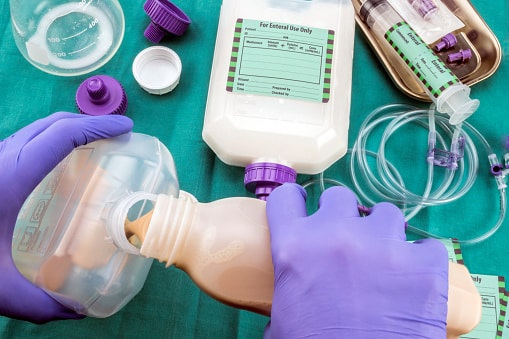
Enteral Feeding
Enteral Feeding

Severe Dysphagia Care
Severe Dysphagia Care

Tracheostomy Care
Tracheostomy Care
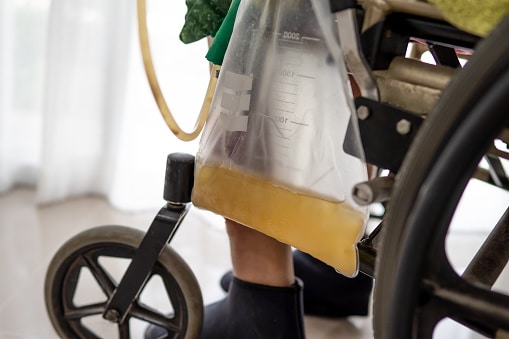
Urinary Catheter Care
Urinary Catheter Care
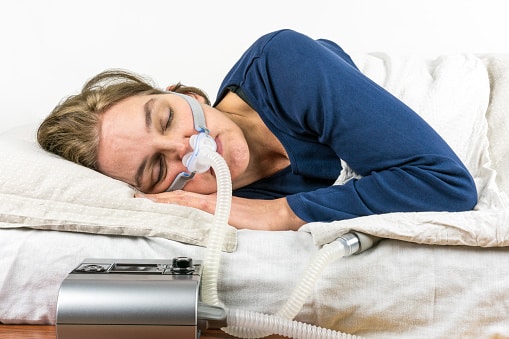
Ventilator Management
Ventilator Management

Subcutaneous Management
Subcutaneous Management