
NDIS High Intensity Care & Support in Greater Sydney
High-Intensity Support provides specialised care for individuals with complex needs, ensuring safety and well-being through tailored, professional assistance.
We provide NDIS High Intensity Care services across Greater Sydney, including Sydney, Parramatta, Blacktown, Liverpool, Penrith, Campbelltown and surrounding suburbs.

Our High Intensity Supports

Epilepsy and Seizure Support
Epilepsy and Seizure Support

Complex Bowel Care
Complex Bowel Care
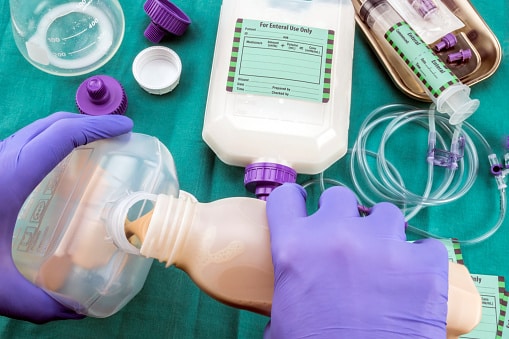
Enteral Feeding
Enteral Feeding

Severe Dysphagia Care
Severe Dysphagia Care

Tracheostomy Care
Tracheostomy Care
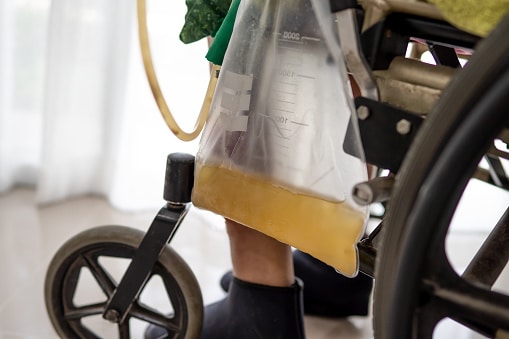
Urinary Catheter Care
Urinary Catheter Care
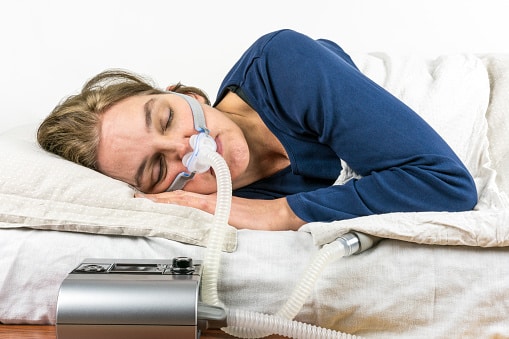
Ventilator Management
Ventilator Management

Subcutaneous Management
Subcutaneous Management
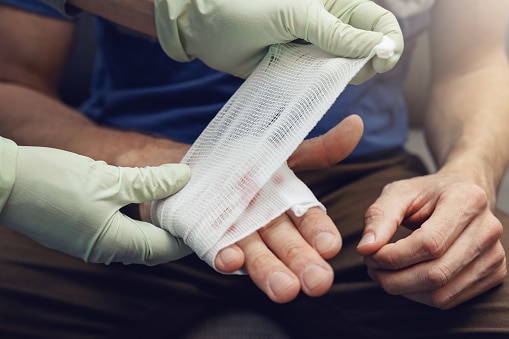
Complex Wound Management
Complex Wound Management
NDIS High Intensity Support refers to daily personal care activities that involve higher risk procedures and require additional training for support workers. This includes tasks like enteral feeding, catheter management, tracheostomy care, and more. It’s designed for participants who need health-related supports that, if performed incorrectly, could lead to serious harm. At Best Care Services, only workers trained and assessed by clinical nurses provide these services, ensuring safe and consistent care.
We provide all supports listed under the NDIS High Intensity Daily Personal Activities framework:
Complex Bowel Care
Enteral Feeding (PEG)
Dysphagia and Mealtime Management
Tracheostomy Care
Urinary Catheter Management
Ventilator Support
Subcutaneous Injections
Complex Wound and Pressure Care
All supports are delivered by workers trained and assessed by experienced Registered Nurses.
Each worker undergoes practical training delivered by Registered Nurses and must demonstrate competency in each high-risk area before being assigned. This includes escalation procedures, hygiene protocols, recognising signs of deterioration, and using equipment correctly. We keep formal training records for all staff.
Yes. We follow all requirements outlined in the NDIS Practice Standards and the High Intensity Skills Descriptors. Our internal processes ensure only trained and competent workers provide high-risk care, and we maintain evidence for compliance and audit readiness.
Our training is hands-on and context-specific. Delivered by nurses with frontline experience, the program includes scenario-based learning, emergency simulations, and case examples. It’s designed to prepare workers for real-life risk — not just theory.
High Intensity Support is about specific regulated health tasks (like injections or tracheostomy care). Complex Support Needs often refer to behavioural, cognitive or psychosocial challenges that don’t necessarily involve health-based risk. We specialise in delivering daily high-risk health supports safely and correctly.
Yes. Many participants require a combination of high intensity supports — for example, enteral feeding and wound care. Our team is trained across all eight categories and can confidently manage overlapping risk areas with the correct procedures.
Yes. Our team is trained in how to document care accurately and in line with NDIS expectations. This includes charting, fluid output tracking, incident recording and monitoring for health status changes — ensuring records are clear, timely and auditable.
Our support workers are trained directly by senior clinical nurses with over 18 years of experience in complex care. They are independently competent — not reliant on on-call supervision — and our service is structured to meet real-world care needs and NDIS compliance at the same time.